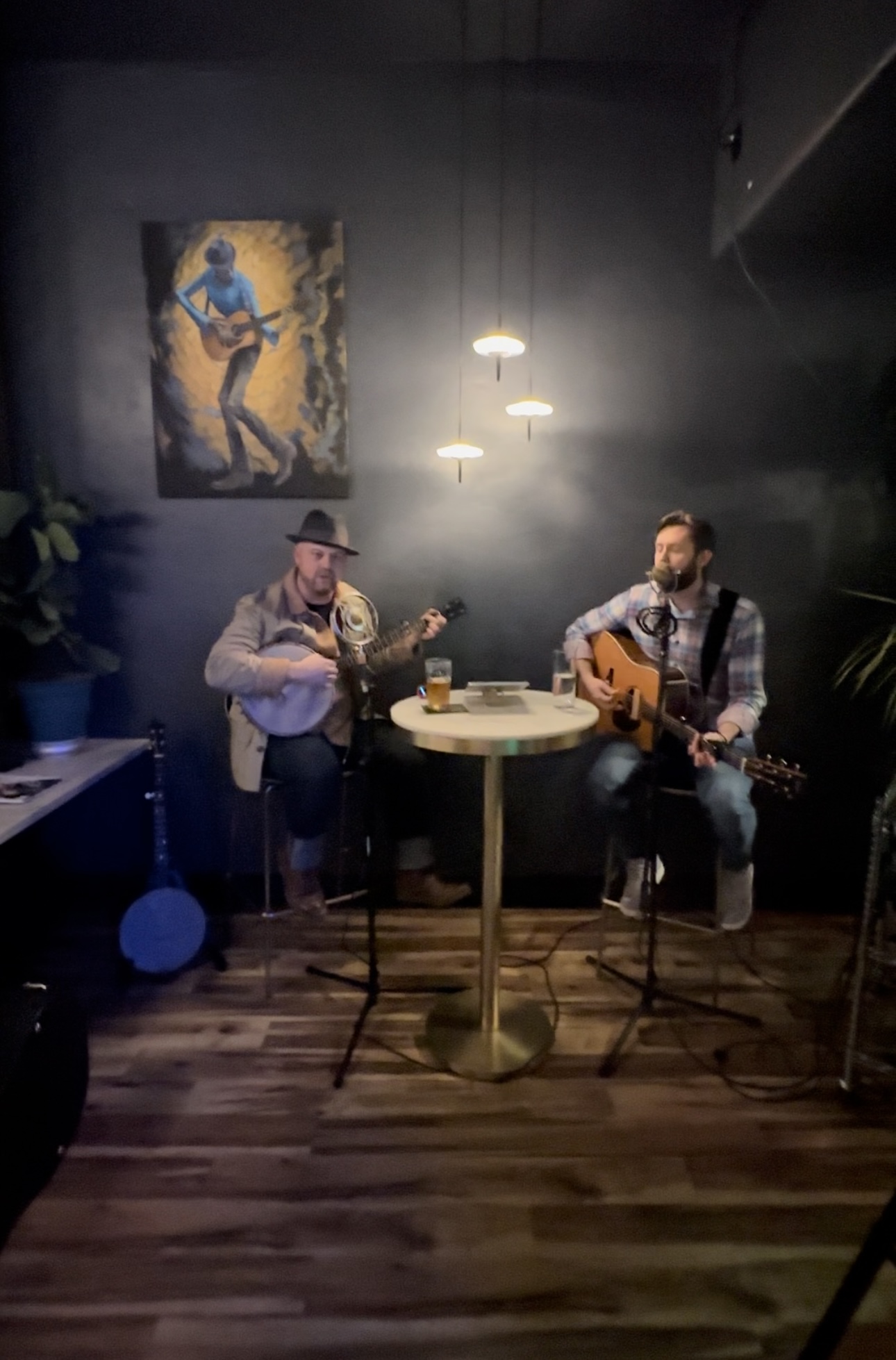
I have the opportunity to play out at our friends Bar Rio here in Bend, Oregon somewhat regularly. I’ve got one gig in the bag already. It went OK, but I’ve got a lot to learn and improve about handling the live audio sound situation. Here’s that story so far.
At this particular gig, I play one hour with a guitar player & singer. I’m playing banjo and singing as well. Then a second hour with a different guitar player & singer. The plan is to loop in a fiddle player next time, and maybe another singer. This is important as it effects the equipment we need in all sorts of ways.
I’ll say — my ideal is that we sit in some chairs and just play and sing with no microphones at all. I’ve been playing with some other folks at The Cellar and that’s how we roll there. The Cellar is small enough and the instrument configuration is such that it works perfectly without a bit of equipment in sight. Beautiful.
We tried the entirely acoustic approach at Bar Rio one day when there was nobody in there, and it sounded… maybe possible? But then we went back a few days later and played some improptu songs on a semi-busy night, and you literally couldn’t hear us 6 feet away. Customers just hanging out and chatting normally just produced too much noise to get over. We aren’t trying to be obnoxious/overpowering, but not being able to hear at all ain’t gonna work.
So: sound system.
I already own several audio interfaces and microphones and stuff, so I tried to make it work with what I already had. Here was my first thinking:

I had a Scarlett 18i8 sitting around unused and I figured that would be a perfect home base. The guitar player would use an acoustic guitar pickup I had, I’d play a banjo into a shotgun mic, and we’d share a condenser singing microphone.
The Scarlett could go to my computer, and my computer could just play the audio to the Sonos system the bar already had. This setup was immediately nixed because Bluetooth was the only way to connect to the Sonos, and the delay was terrible. We still may do this later to pipe sound to the far-away zones like their back porch and sidewalk speakers, but not yet!
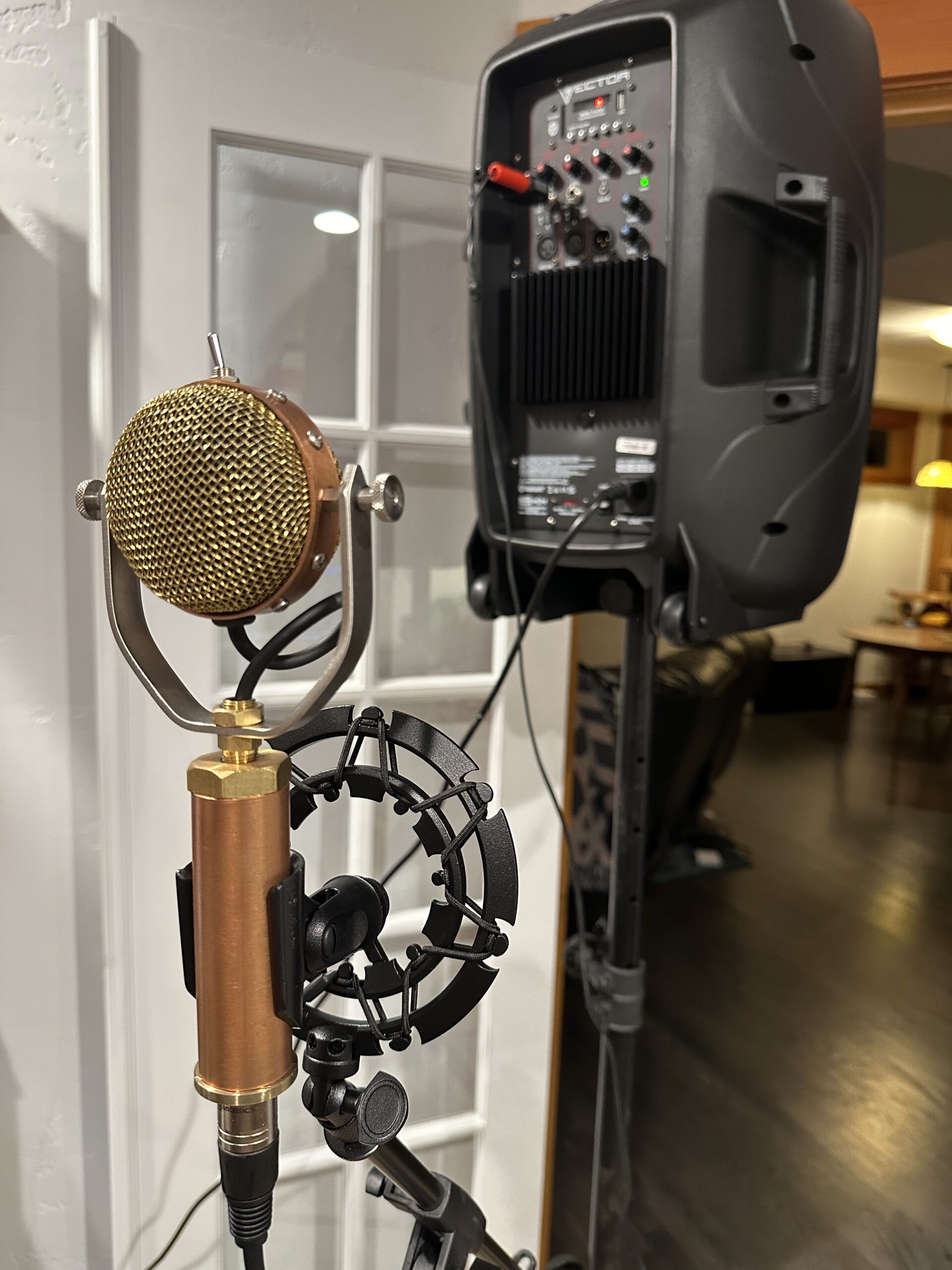
So instead, I went over to Sunday Guitars and bought a decent PA speaker (HH VRE-15AG2). The plan was to run the Scarlet right to that.
It also turned out singing into one mic in that space was a bit too weird for us. We wanted to sit instead of stand. So instead of the shotgun mic for my banjo, I got out a second condenser mic, and set it up such that it could pick up both my banjo and my voice together. Still three inputs.
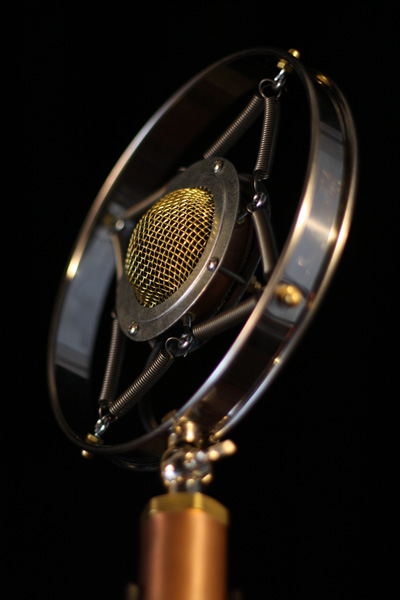
I happen to have the Mabel and the Myrtle from Ear Trumpet Labs so that’s what we used for mics. They are absolutely beautiful mics, basically designed for acoustic instruments and singers, so it made me happy to actually be using them rather than them sitting around in a cabinet.
Then an annoying thing happened. I plugged in the Scarlet and hear some kind of sizzle. I couldn’t get it to work at all after that, even after replacing the power supply (which became suspiciously rattle-y, like a blown fuse). As far as I can tell, the thing is toast, and I really don’t understand how it even happened.
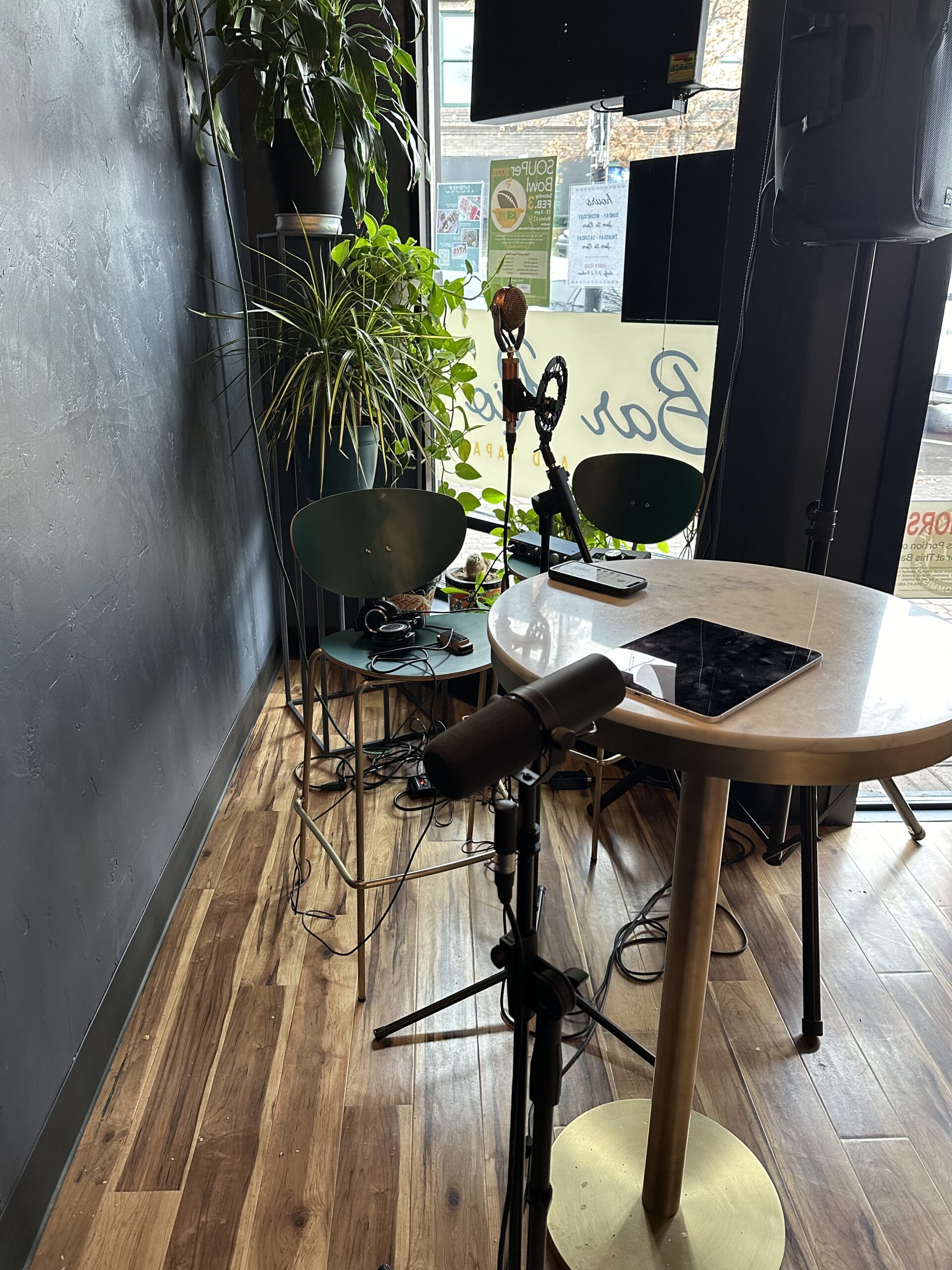
I happened to have an Apollo Twin sitting around, which is a very nice audio interface, but… “twin”… it’s only got two inputs. We needed three, so we used this other cheap interface we had for the third input. Fortunately the PA speaker has two inputs, so one from each.
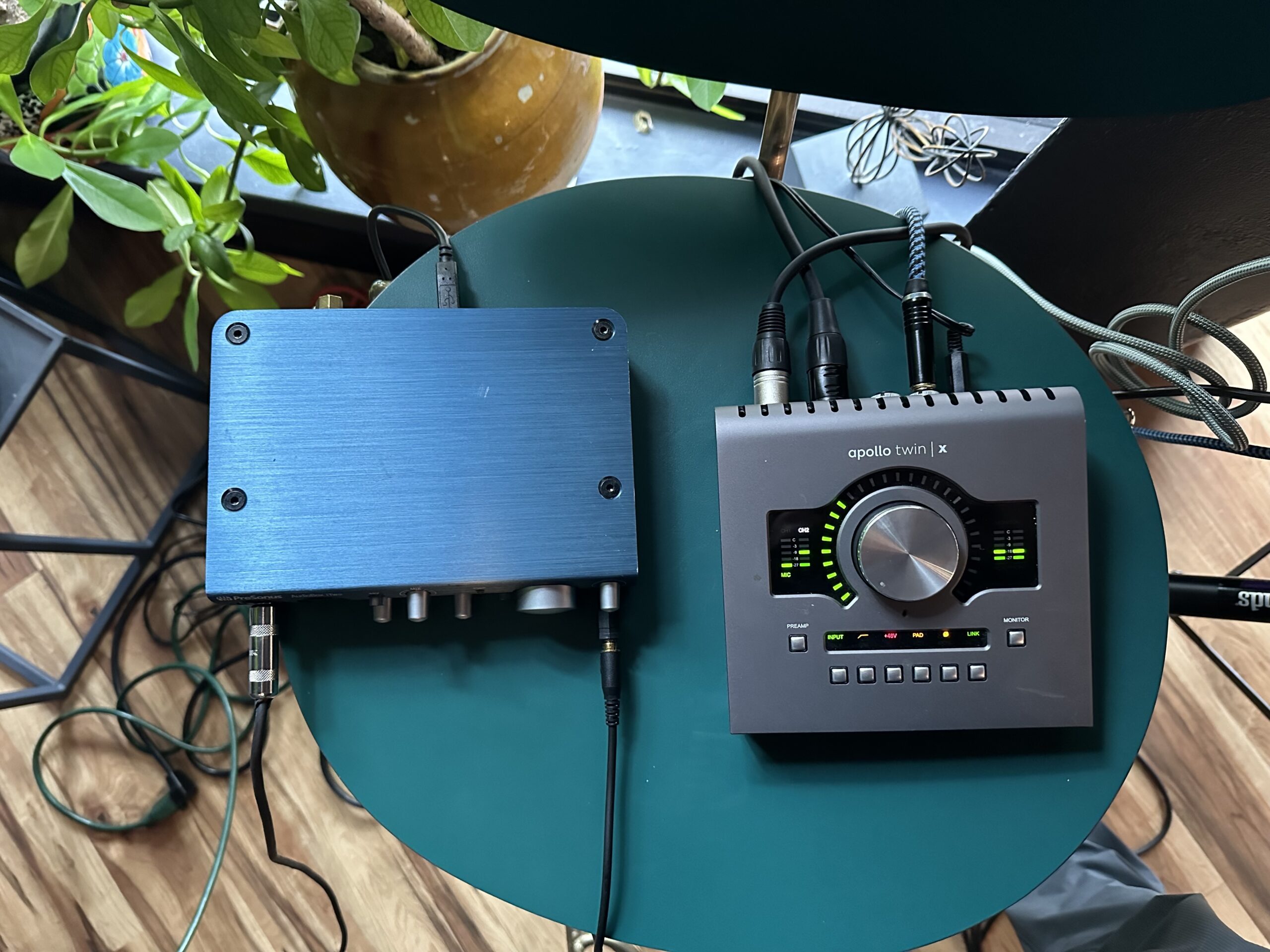
So we go set up this whole setup to practice over at Bar Rio when it’s closed one day. It worked out OK, but the biggest problem, and ultimately the limiting factor, was feedback. A stage monitor definitely wasn’t going to happen, which limited our ability hear each other.
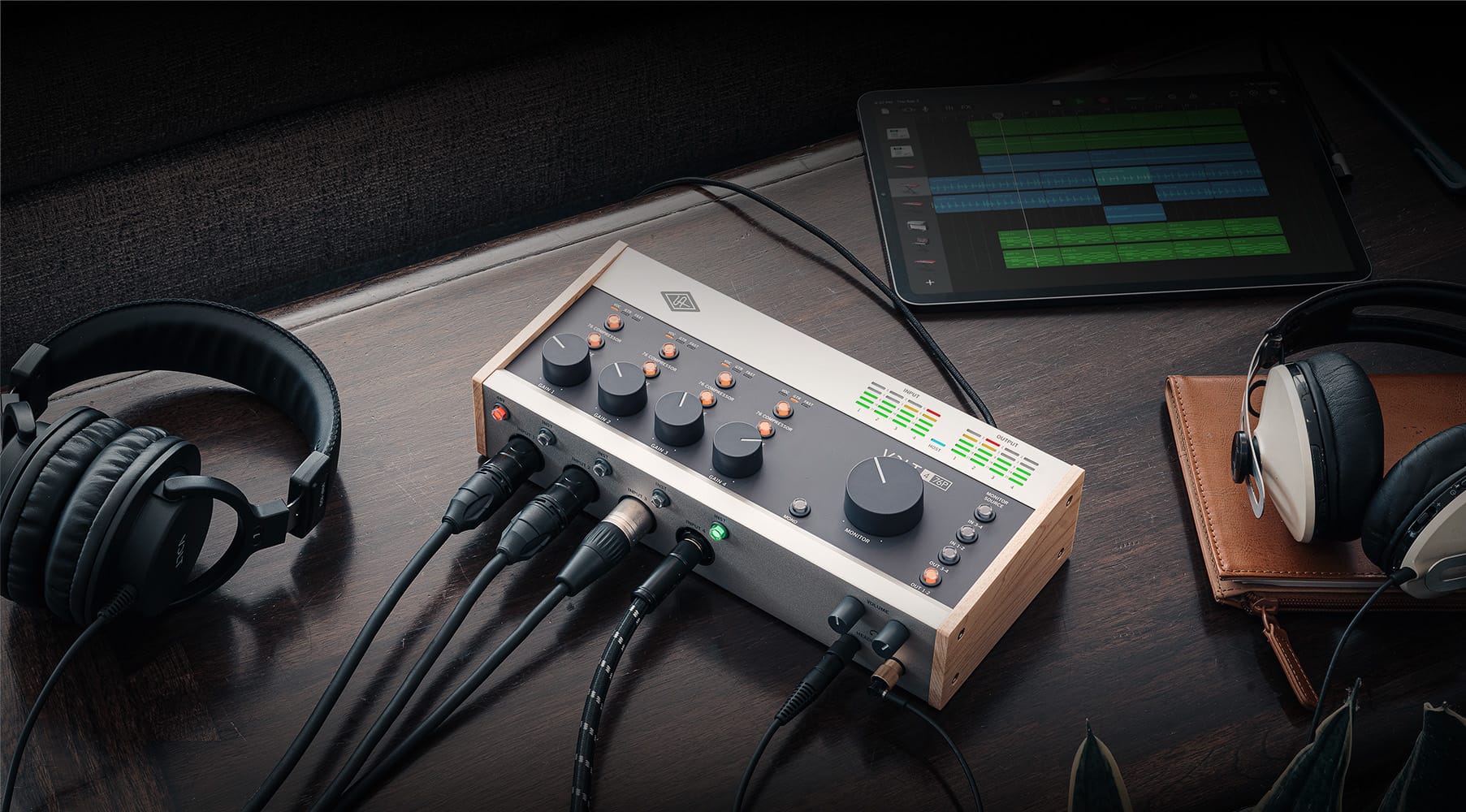
I couldn’t bear to keep dealing with the awkward Apollo Twin and another interface setup, so I ordered a new interface, the newish UA Volt 4. It’s an absolutely beautiful interface that has the four inputs we need.
We ultimately played our first gig like this. It went fine, but I was ultimately pretty unhappy with it. We couldn’t get quite as loud as we wanted because we were right on that line of feedback issues with the condenser mics. The condensers were also just hard to get used to for us amateurs who aren’t used to them. The volume difference inch by inch of how close you are to them is very strong. Plus I was trying to both sing and play into one and it ultimately meant people were hearing one or the other.
Just silly. Changes were needed.
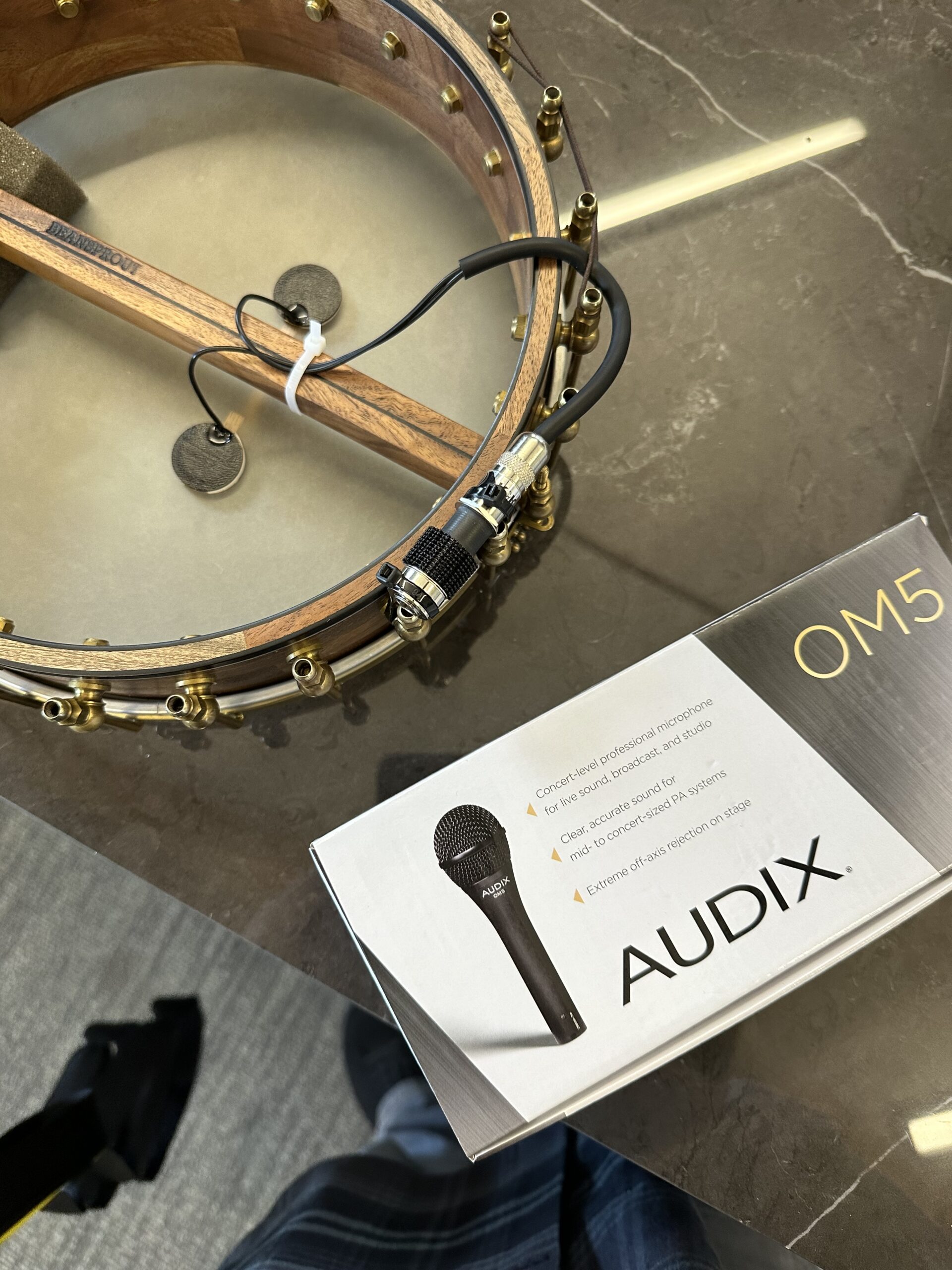
I talked to Aaron who built several of my banjos, and he said the K&K Banjo Twin is a perfectly nice way to put a pickup on a banjo. I had tried a cheapy one I had laying around that just clipped onto the bridge, and it sounded like shit, so it was encouraging to hear there is such a thing as a decent banjo pickup.
He also said that using condenser mics in this environment just wasn’t going to work. So farewell again Myrtle and Mabel. I picked up a pair of Audix OM5’s also at Aaron’s recommendation. These are really simple no-nonsense dynamic mics, and thus really have no problem with feedback. We’ll have to all sing right up on the mics (like, within an inch), but that actually seems fine and more predictable than the condensers.
So now the setup with all instruments-with-pickups and only dynamic mics in place, the entire setup is pretty feedback resilient, and we should be able to turn it up as loud as we need to.

Notice I drew an extra mic there. Next time our plan is to play with a fiddle player, and maybe even an additional singer. That’s now five inputs, and say we wanted both a singer and fiddle player or they wanted to have a pickup on the fiddle or something. Very sadly, the four inputs of the UA Volt 4 were not enough.
And there was another weird thing about the UA Volt 4. Not “weird”, maybe, but I found it very confusing. There are 4 line “outputs” on the UA Volt 4, but they aren’t “output” in the sense that they can send a proper signal to a PA speaker (they are just for passing the signal to other equipment? I guess?). If you want to power a PA speaker from it, you have to use the monitor outputs. So we had cables from both the L and R monitor outputs to the two inputs on the PA speakers. This worked, but now there are no speaker-powering outputs left for a monitor. And now that we’re not worried about feedback, we really want a monitor! The PA speaker has an output, but it didn’t seem to be able to power the monitor I’ve got. So I’m afraid after one gig we’ve outgrown the UA Volt 4.
I ordered most of this stuff off Sweetwater. I can imagine people finding this annoying, but when you order something from Sweetwater, you’re assigned a salesperson. They call you up and text you after the order and see how everything is going. For an absolute newb like me, I found this actually rather helpful. They didn’t try to sell me anything, all they did was answer my questions and be helpful.
When I decided I wanted to move off the UA Volt 4, I told the salesperson I wanted to return it (and another mic I was playing with), and exchange it for some kind of upgraded interface. It turned out that “Interface” isn’t really what I needed at all. That implies a computer connection, which in my case I really didn’t need (but kinda liked that it’s at least a possibility). What I need is a mixer. The dude processed the return, which actually ultimately saved me some money, and guided me toward a new proper mixer.
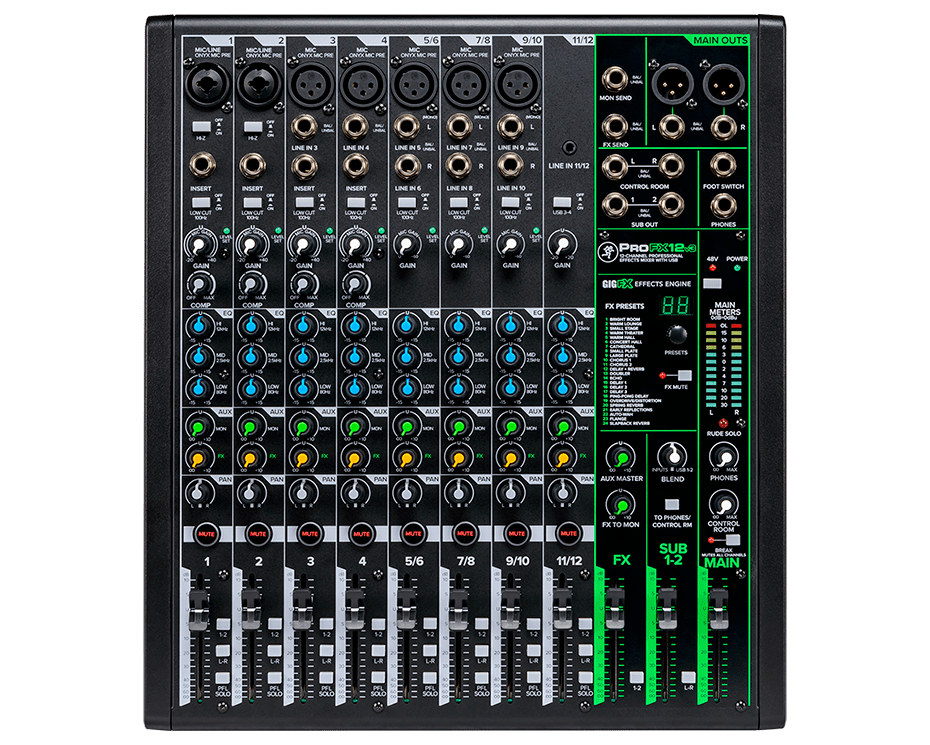
That’s the Mackie ProFX12v3 which looks big and fancy and complicated, and I’m sure it is. But it’s only $350, has more than enough inputs for us, can power both the PA and the monitors, and has a USB output in case we ever do need that. I’m a little intimidated by the zillions of knobs, but hopefully I can just leave them alone and it’ll be fine. I grabbed a relatively cheap stage monitor too, and I’m hoping we’re good to go!
I’ll have to let you know how the next gig goes.
Related
ncG1vNJzZmibmKe2tK%2FOsqCeql6jsrV7kWlpbWdgZ3xyfo6apWatnpu2r7XSoZydZZyew6Z5wK6boqddn7y2vs2esGg%3D